First Falcon 9 Test Launch Update
Today, SpaceX’s first Falcon 9 has successfully achieved Earth orbit. This has been a great day for SpaceX and a promising step forward for the US space program, as we make progress towards expanding the human presence in space.
SpaceX extends special thanks to all of our long-time supporters, all our NASA, Government, and Commercial customers, and the United States Air Force and Cape Canaveral Air Force Station for their excellent, ongoing support.
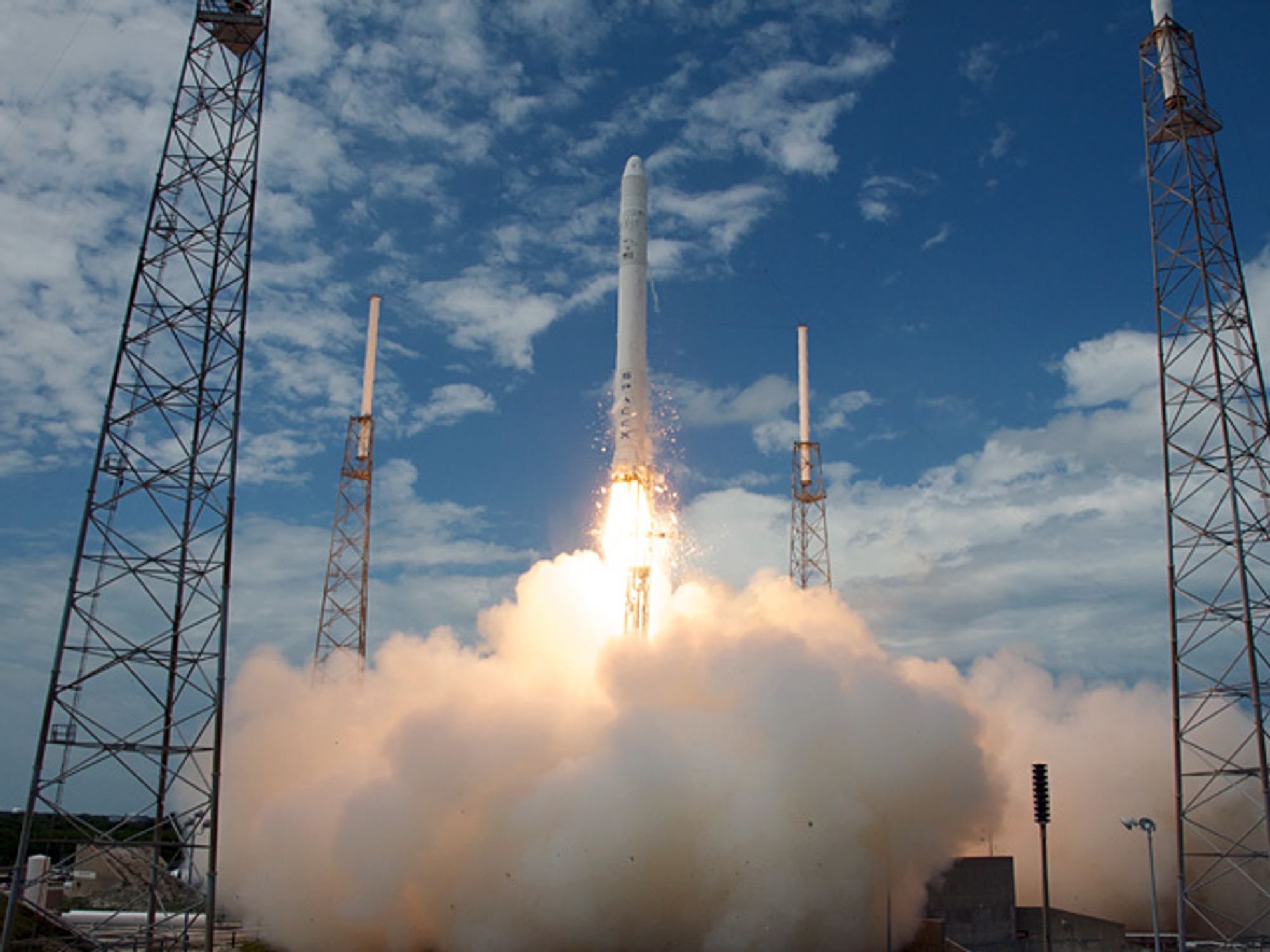
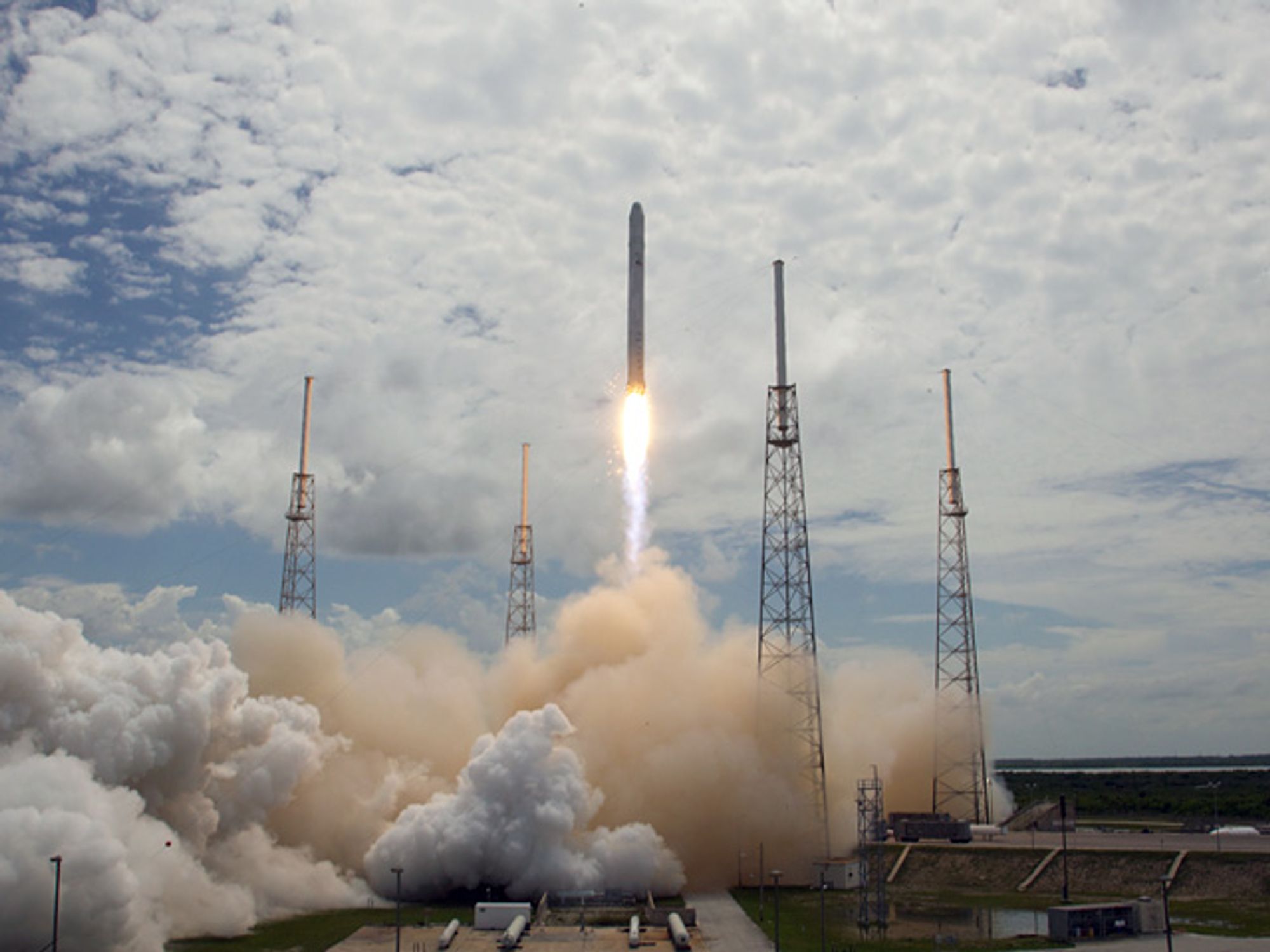
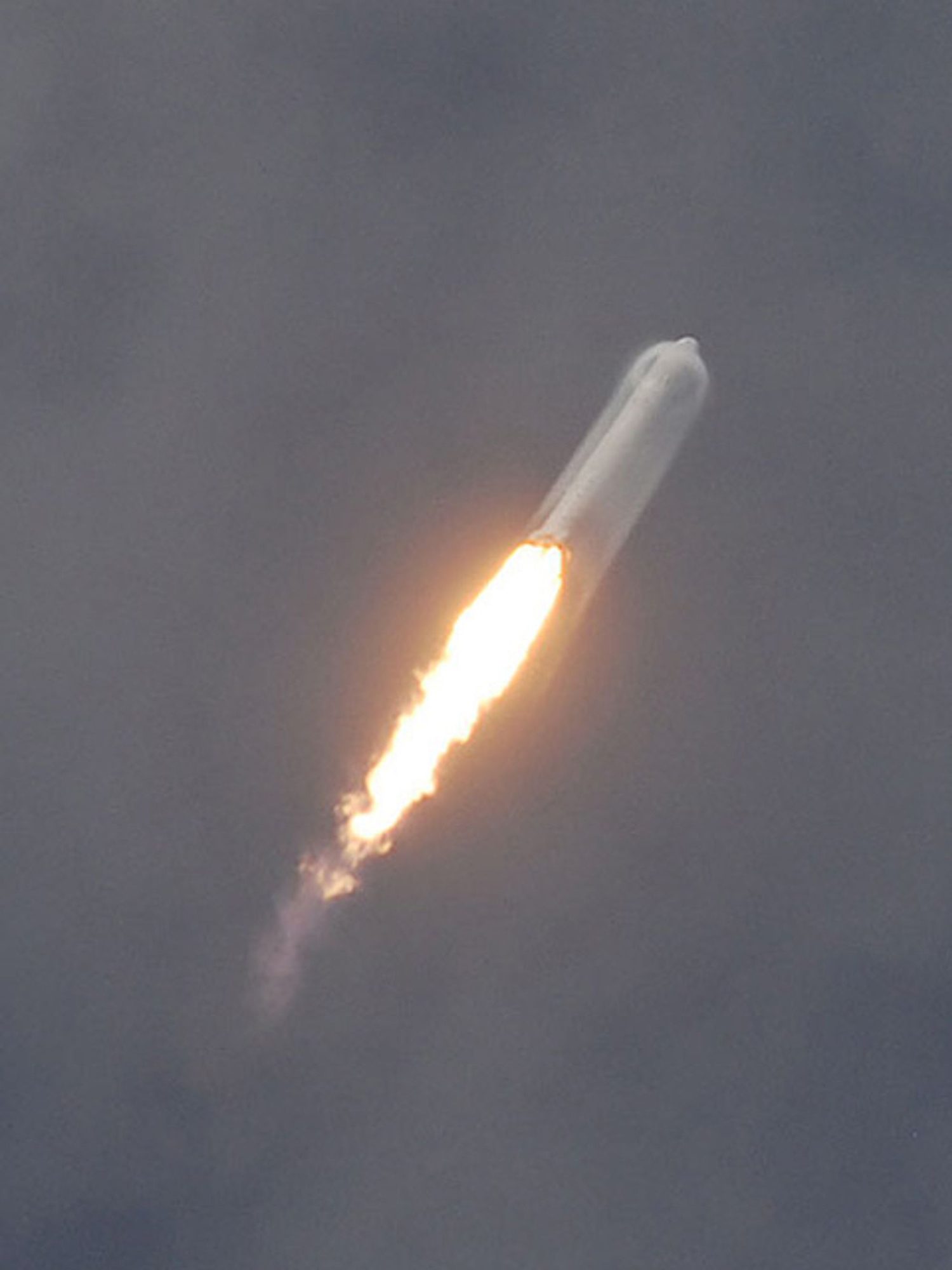
Flight sequence for Falcon 9 Flight 1 as it departs from the SpaceX launch pad at Launch Complex 40, Cape Canaveral, Florida on June 4, 2010 with an official liftoff time of 2:45 PM Eastern / 11:45 AM Pacific / 18:45:00 UTC.
Unless otherwise noted, all image credits: SpaceX.
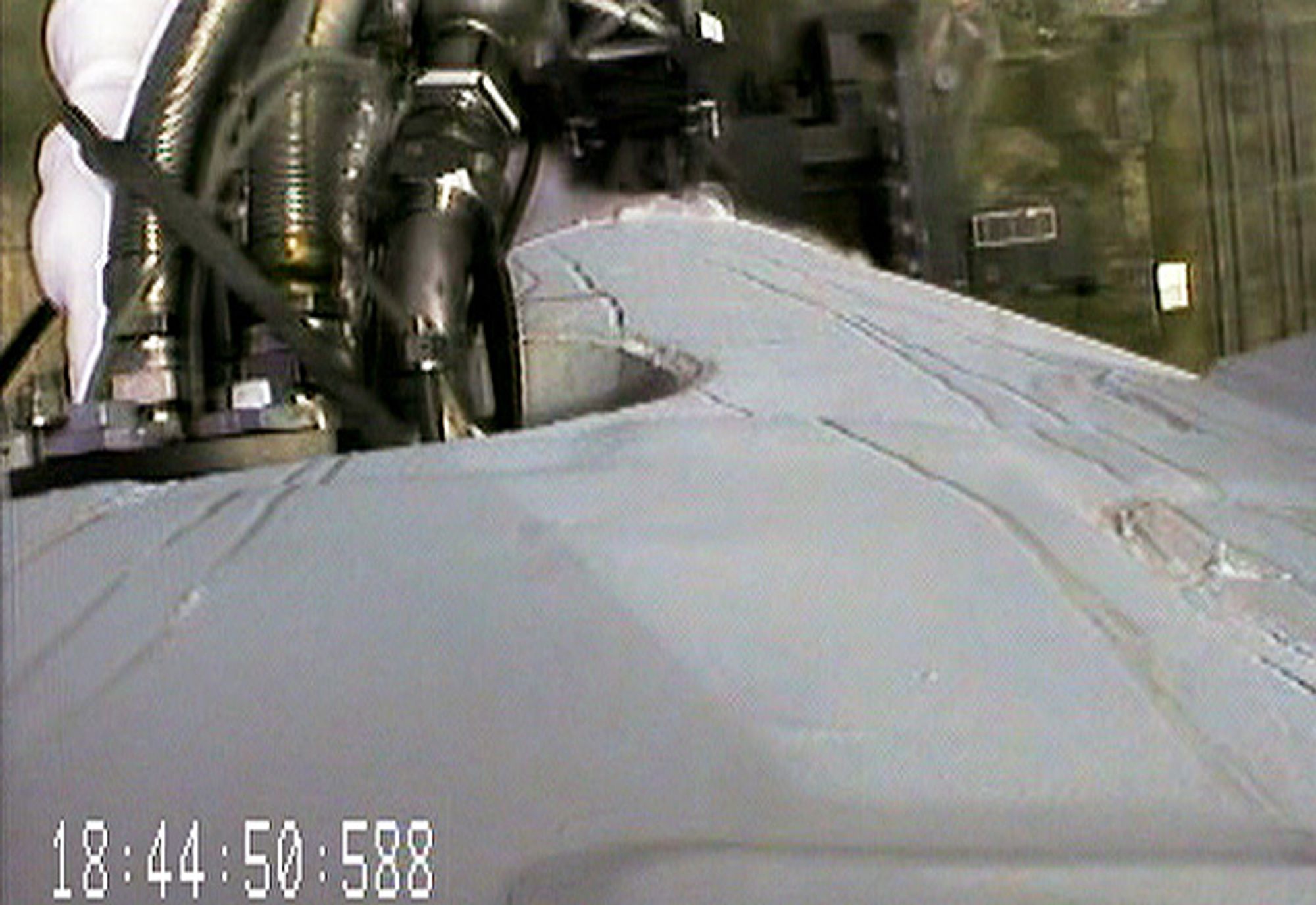
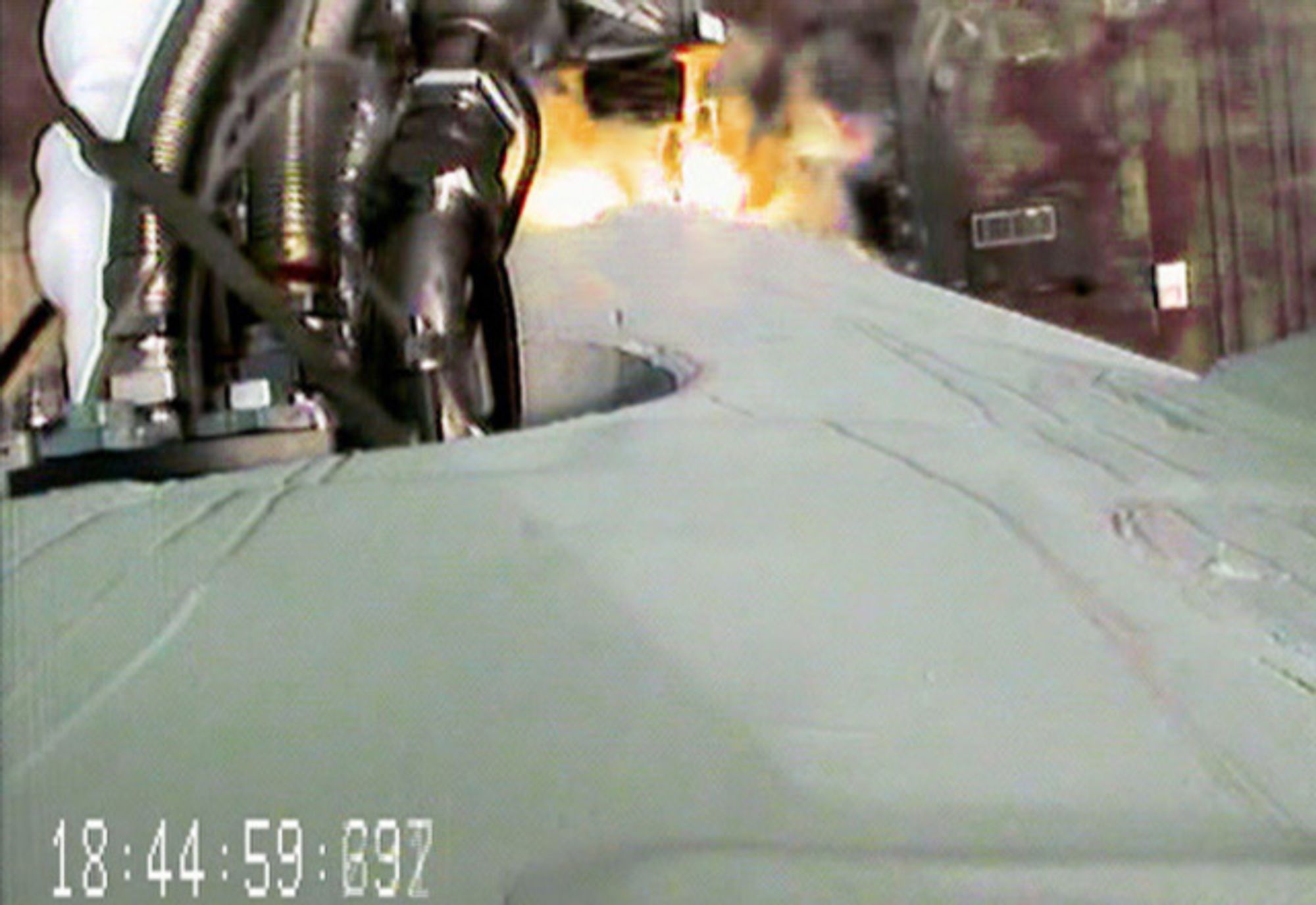
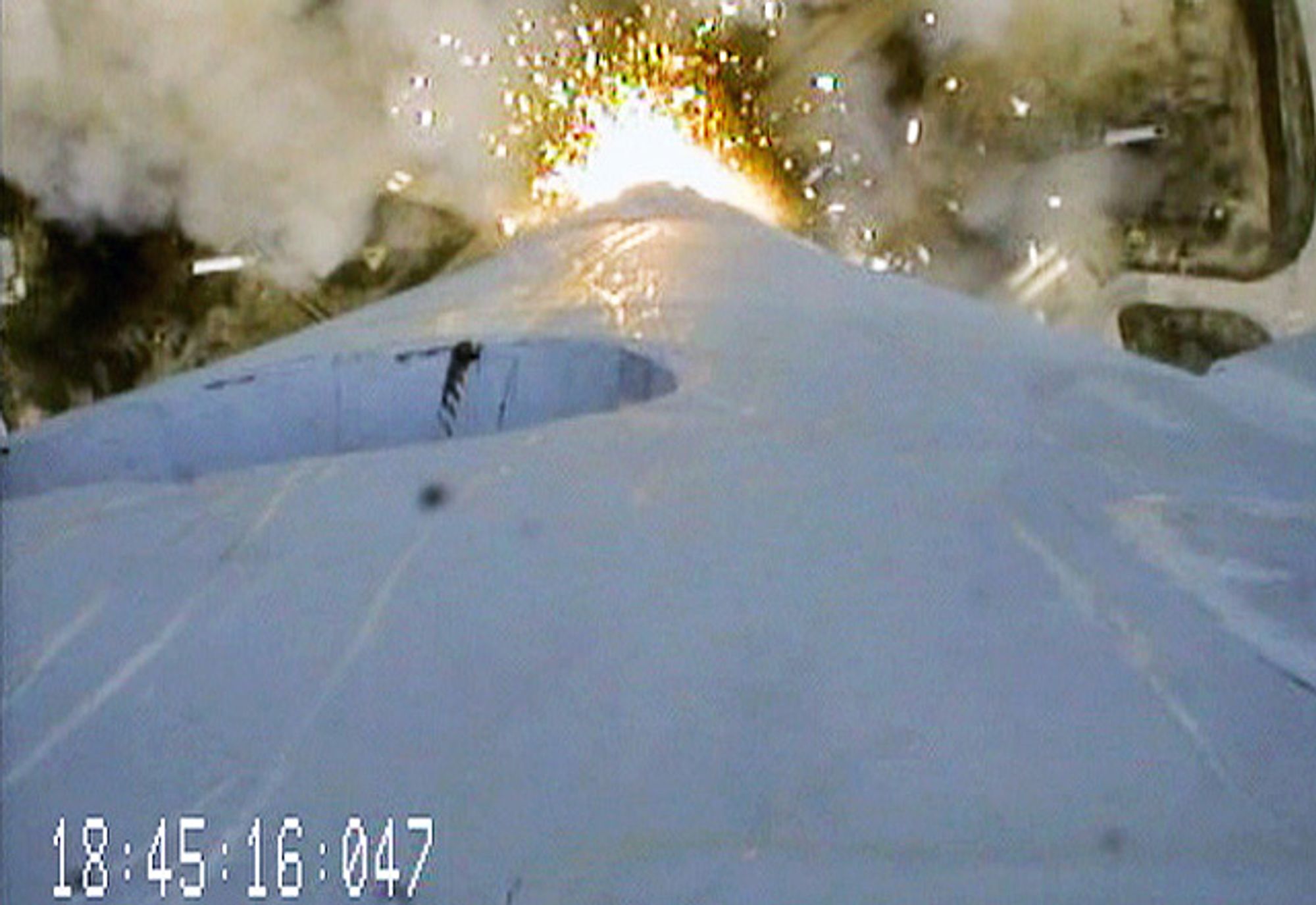
- View from the second stage’s aft-facing camera, at T minus 10 seconds, looking down the length of the Falcon 9 rocket, about 37 meters (120 feet) above the launch pad and main engines. The quick connect panel at left provides propellant, power and communications to the second stage of the vehicle, and disconnects at liftoff. The code at lower left is UTC time.
- At one second prior to liftoff, the nine Merlin 1C main engines reach full power, just before the launch mount releases the vehicle for flight.
- Pieces of frost fall from the cryogenic liquid oxygen tanks, and look like fireworks when illuminated by the engines’ light. Small white cylinders to left and right are the tops of two of the four lightning towers that surround and protect the launch pad.
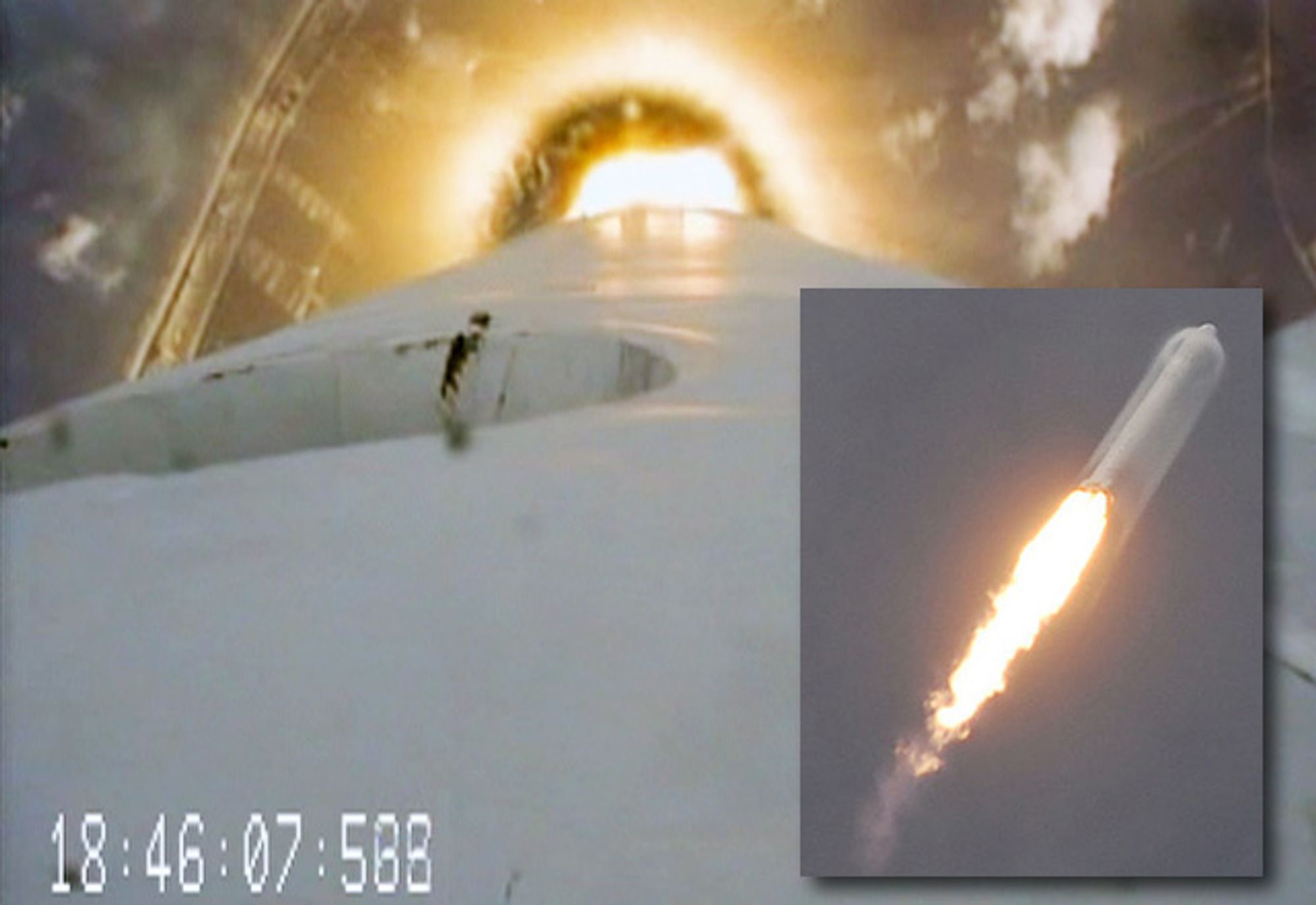
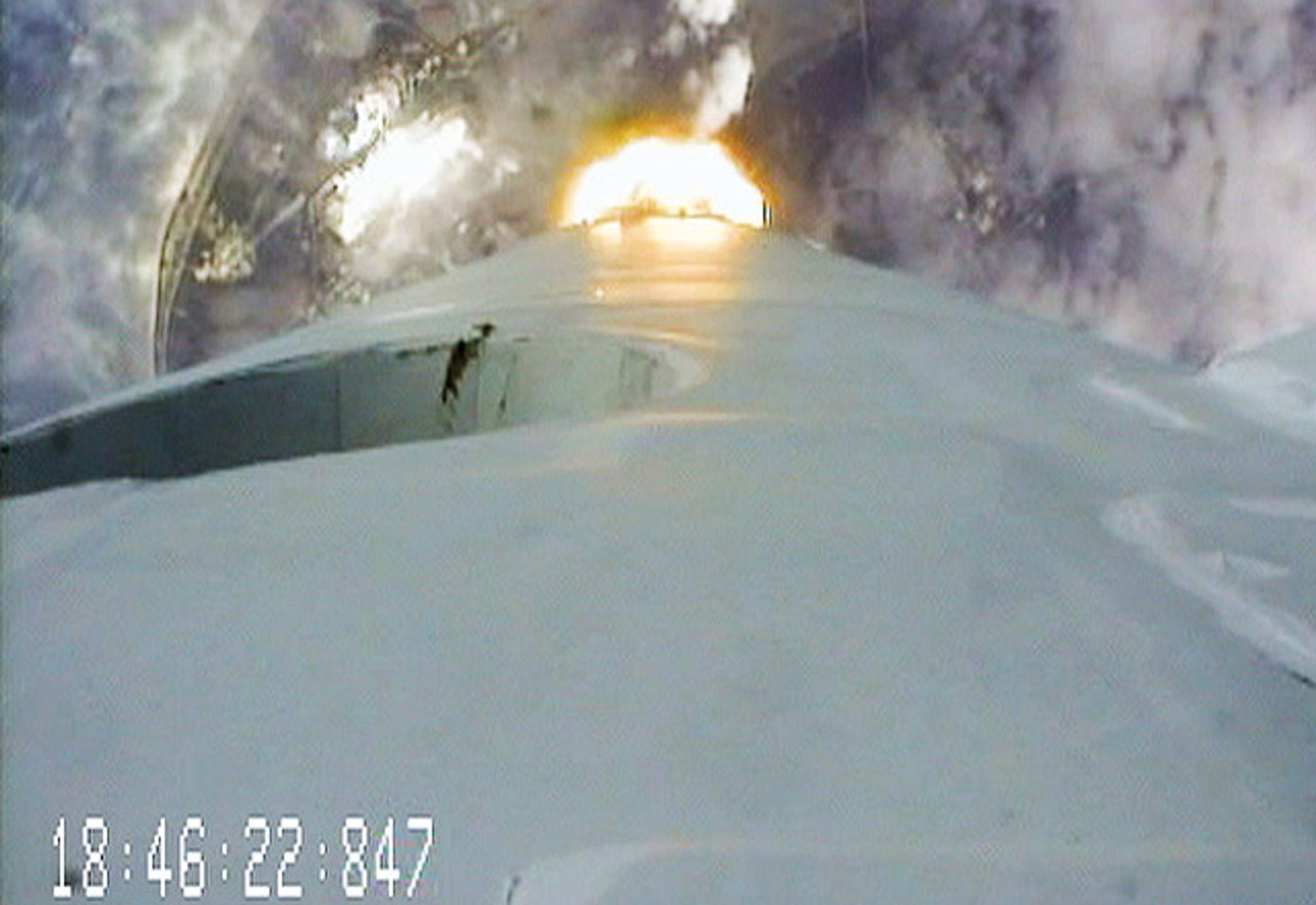
- A condensation shock front surrounds the vehicle as it climbs above a thin deck clouds. Insert has view from the ground showing the full body condensation wave. Insert image credit: Ben Cooper, launchphotography.com / spaceflightnow.com
- Passing the point of Maximum Dynamic Pressure (MaxQ). From this time onwards, the combination of decreasing atmospheric pressure and increasing velocity will apply less and less force to the vehicle.
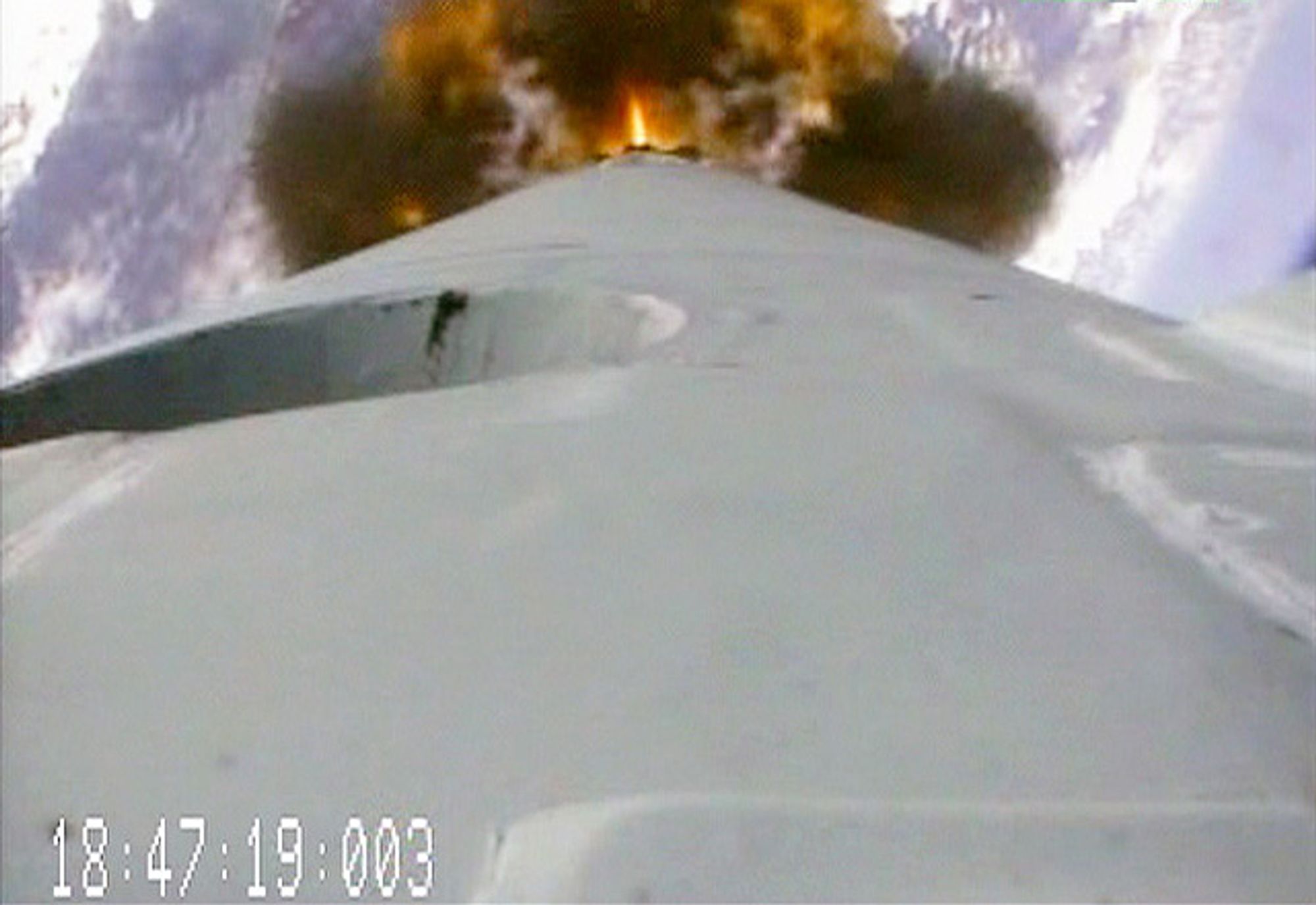
- The exhaust plume darkens due to decreasing oxygen at this altitude, and expands due to the decreasing atmospheric pressure.
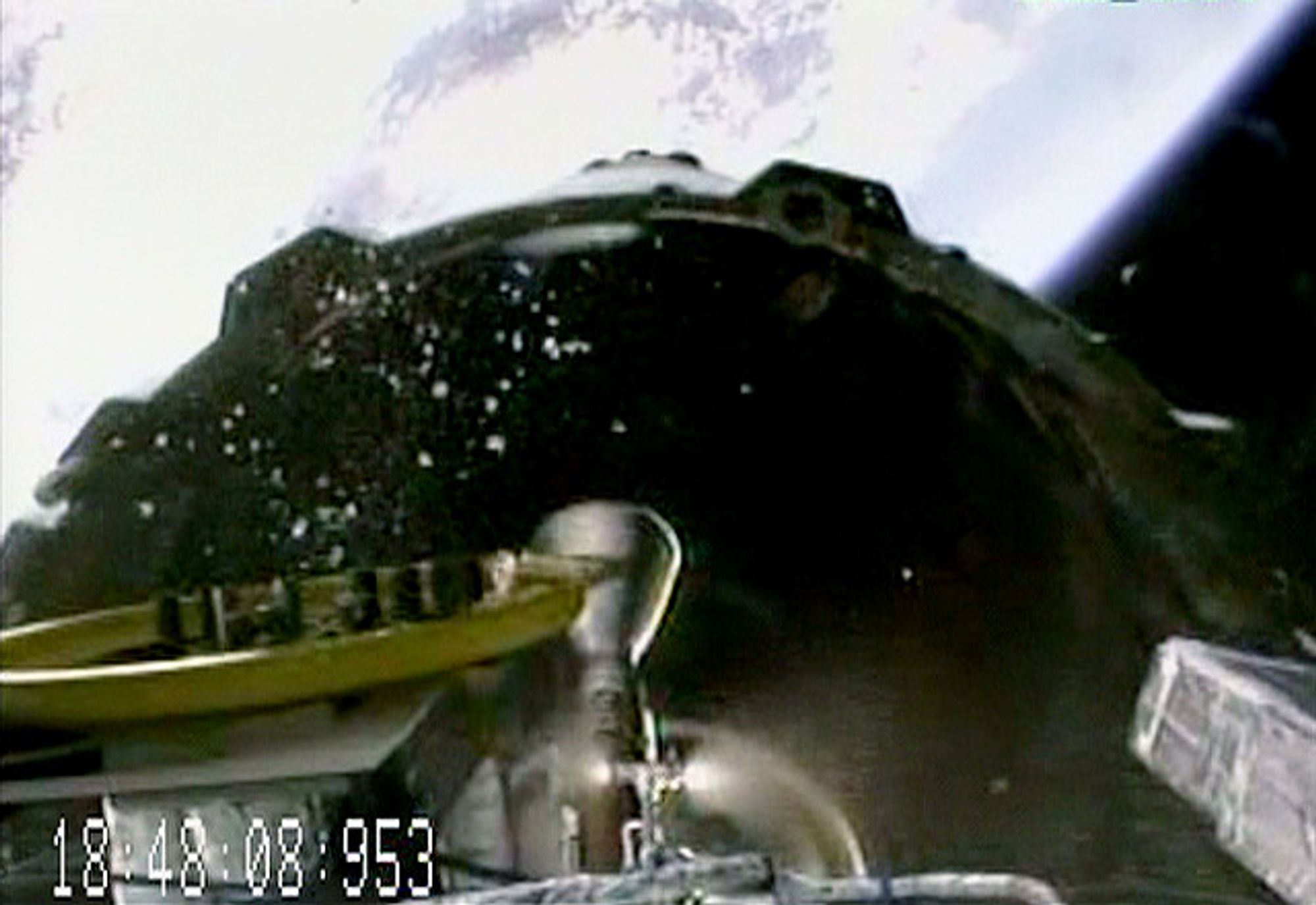
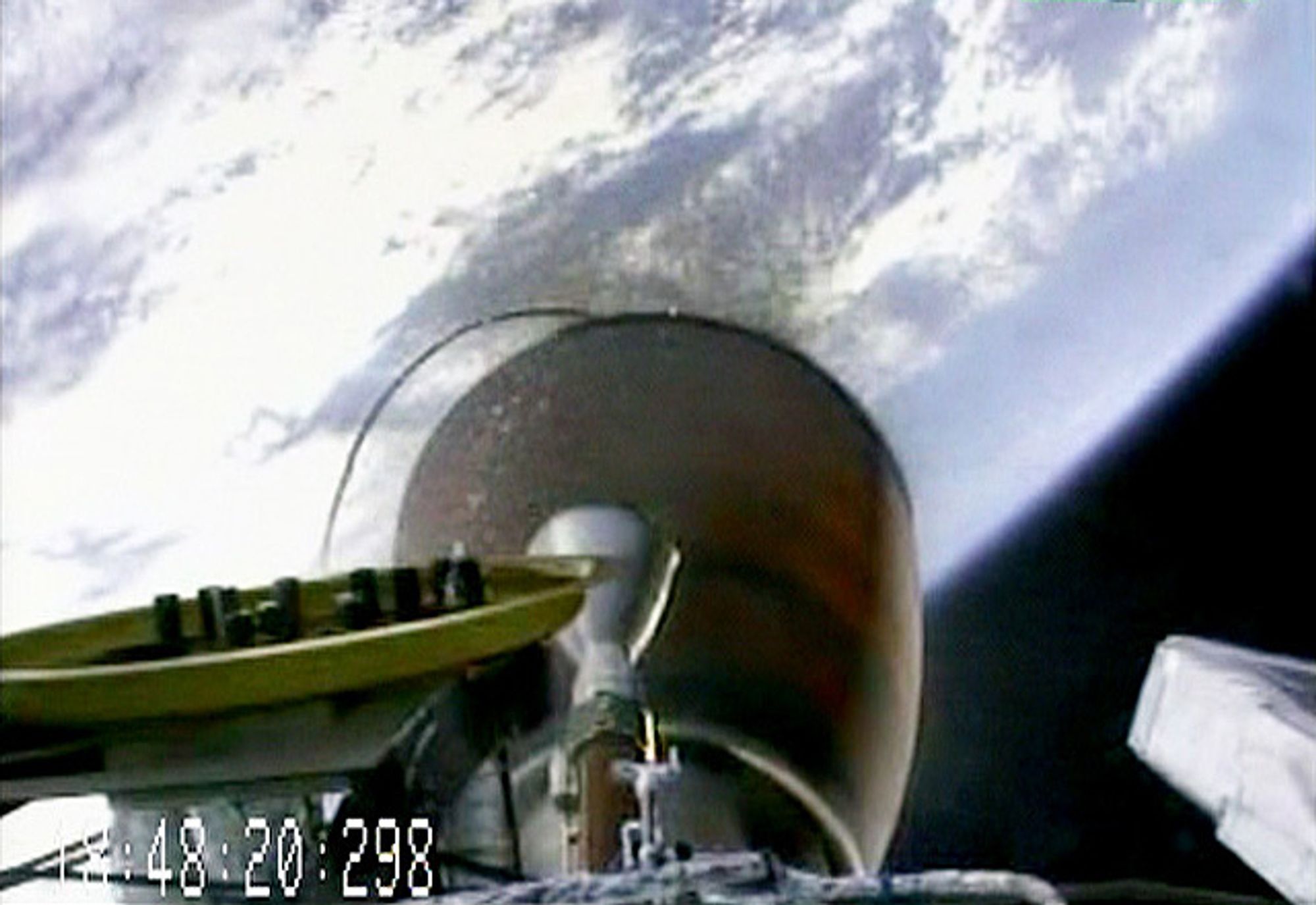
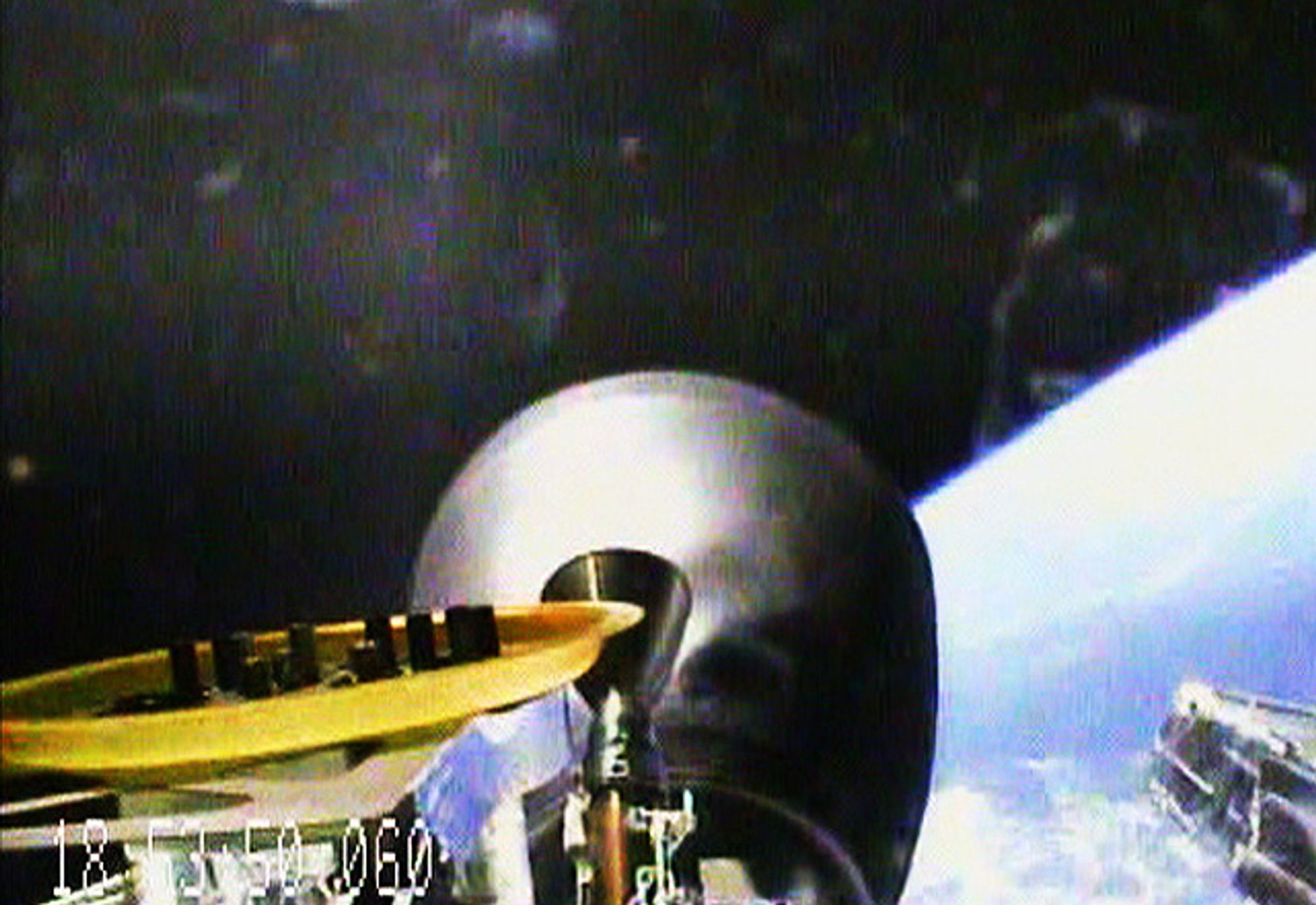
- Stage separation begins with the pneumatic pushers pushing the first stage away.
- As the nozzle extension warms, it softens the adhesive that secures the four segments of the nozzle stiffening ring. They release and fall away, similar to the event on SpaceX’s Falcon 1.
- Upon Second stage Engine Cut Off (SECO), the Falcon 9 and Dragon spacecraft qualification unit reach low earth orbit! The vehicle sent this final image just moments before loss-of-signal as it passes over the horizon as viewed from the launch site.