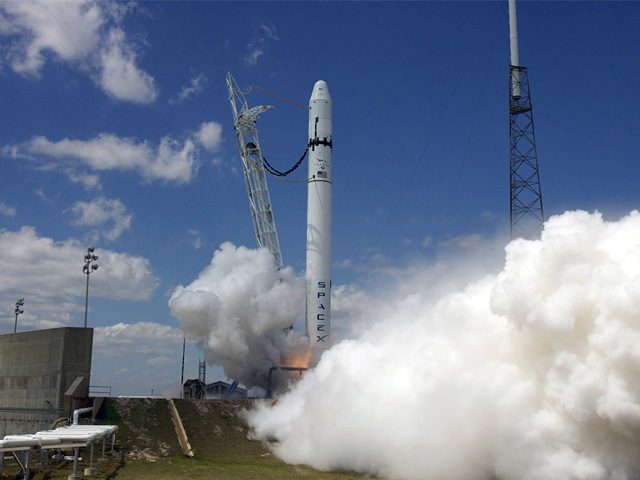
On Tuesday, March 9th, SpaceX performed our first Static Fire for the Falcon 9 launch vehicle. We counted down to T-2 seconds and aborted on Spin Start (the process that fires the engines). Given that this was our first abort event on this pad, we decided to scrub for the day get a good look at the rocket before trying again.
The problem was pretty simple: our autostart sequence didn’t issue the command to actuate (trigger) the ground side isolation valve to open. The ground side isolation valve releases ground-supplied high pressure helium to start the first stage engine turbopumps spinning at several thousand rpm. That generates enough pressure to start the gas generator, which is a small rocket engine that powers the turbopump. There are no vehicle side valves actuated for spin start (just check valves), so it is an all engines or none situation.
Ignition fluid (TEA-TEB) flowed nominally to all engines creating the green flame and the main valves opened, but no engines actually started and the system automatically aborted on lack of spin. The fire generated was from flushing the system of fuel and LOX from the open mains. No damage to the vehicle or ground systems and no other anomalies that need to be addressed.
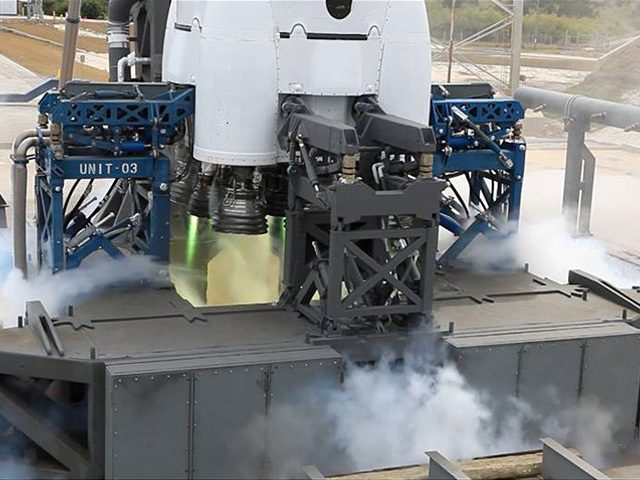
We tested everything on the vehicle side exhaustively in Texas, but didn’t have this iso valve on our test stand there. Definitely a lesson learned to make sure that everything is the same between test stand and launch pad on the ground side, not just on the vehicle side.
Despite the abort, we completed pad preps on time and with good execution. The integrated countdown with the range included holdfire checks, S-band telemetry, C-band, and Flight Termination System (FTS) simulated checks. We completed helium, liquid oxygen (LOX), and fuel loads to within tenths of a percent of T-zero conditions. Tanks pressed nominally and we passed all Terminal count, flight software, and ground software abort checks right down to T-2 seconds.
We detanked and safed the vehicle and launch pad. Preliminary review shows all other systems required to reach full ignition were within specification. All other pad systems worked nominally.
It is important to appreciate that what we are going through right now is the equivalent of “beta testing”. Problems are expected to occur, as they have throughout the development phase. The beta phase only ends when a rocket has done at least one, but arguably two or three consecutive flights to orbit.
Right now, we are holding due to extreme weather. It is raining sideways at 46 mph and tornados have been spotted just north of the Cape. If all goes well, we will try the static fire again in the next few days.
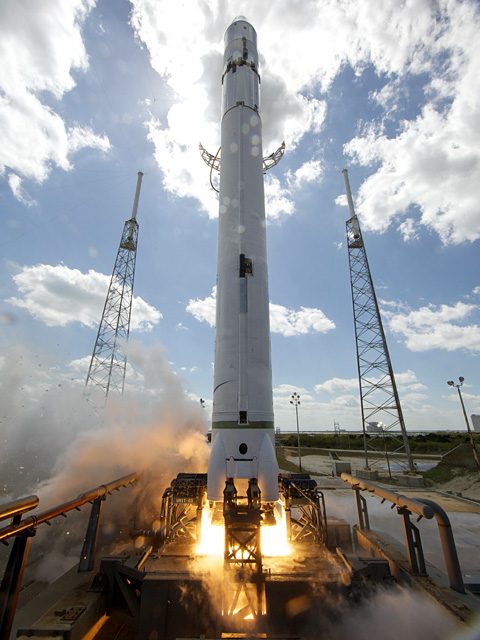
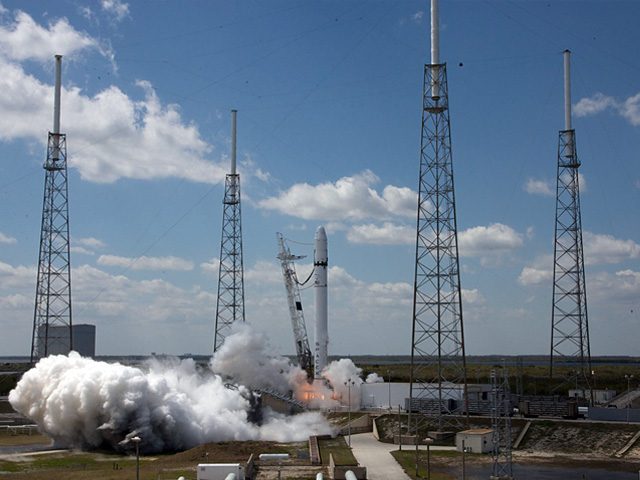
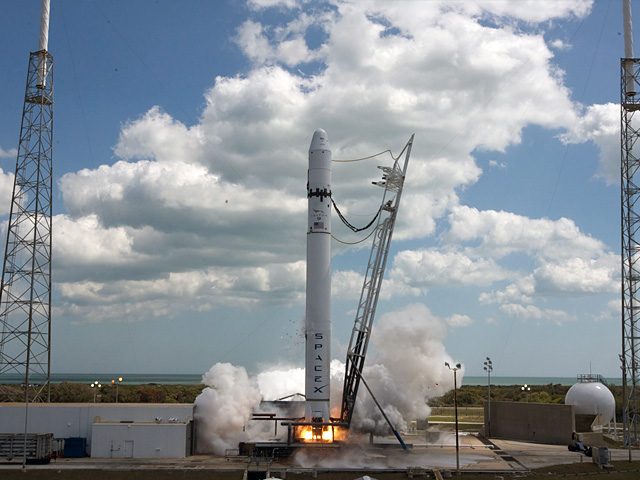
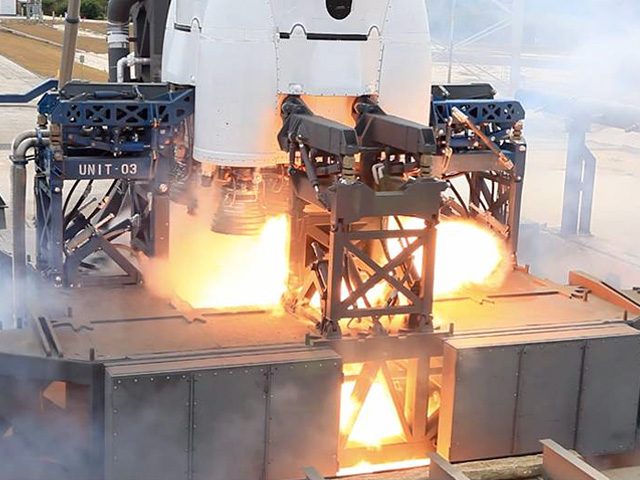
On Saturday, March 13, SpaceX successfully completed a test firing of the inaugural Falcon 9 launch vehicle at Space Launch Complex 40 located at Cape Canaveral. Following a nominal terminal countdown, the launch sequencer commanded ignition of all 9 Merlin first stage engines for a period of 3.5 seconds.
Just prior to engine ignition, the pad water deluge system was activated providing acoustic suppression to keep vibration levels within acceptable limits. The test validated the launch pad propellant and pneumatic systems as well as the ground and flight control software that controls pad and launch vehicle configurations.
This was the final step for the rocket and launch pad before launch itself. We are now waiting for completion of the final set of tests of the flight termination system, specifically the explosives and initiators, and the acceptance of that test documentation by Air Force range safety. As soon as the tests are complete and the Air Force has signed off, we will move forward with launch.
If all goes as hoped, the first countdown attempt may be as soon as next month. It’s important to note this is not a prediction of when we will launch, just when we will probably try a countdown. Additional images of SpaceX’s successful Falcon 9 static fire below—stay tuned for more updates as we continue to progress towards the first flight of Falcon 9/Dragon.