Space 2.X: The Private Rocket Race Takes Off
By Dave Bullock
HAWTHORNE, California — Building a successful startup in Silicon Valley is hard, but it’s not rocket science. Unless you’re SpaceX.
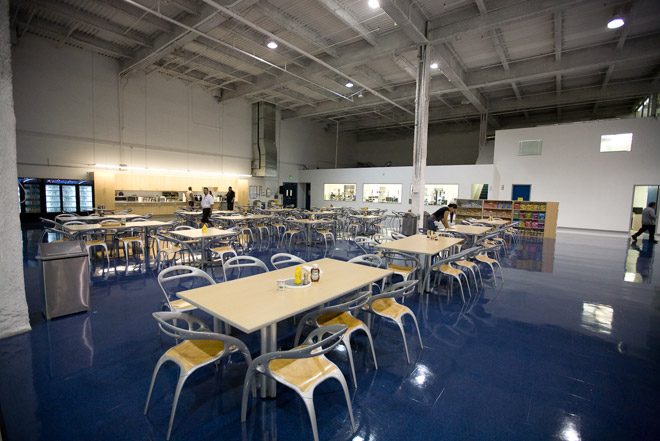
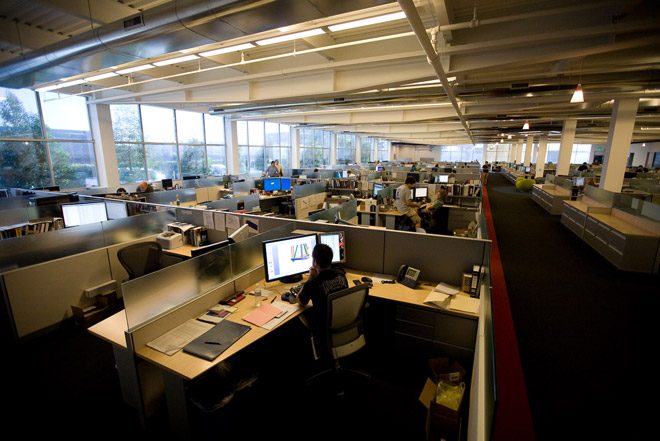
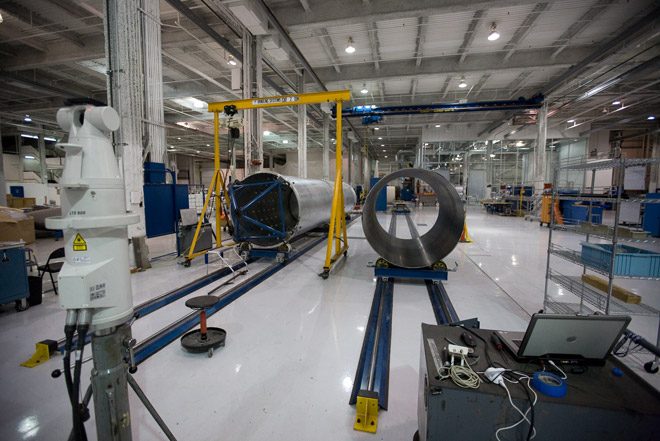
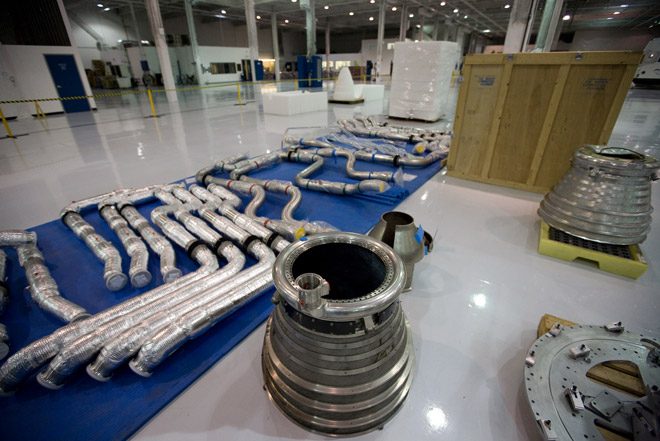
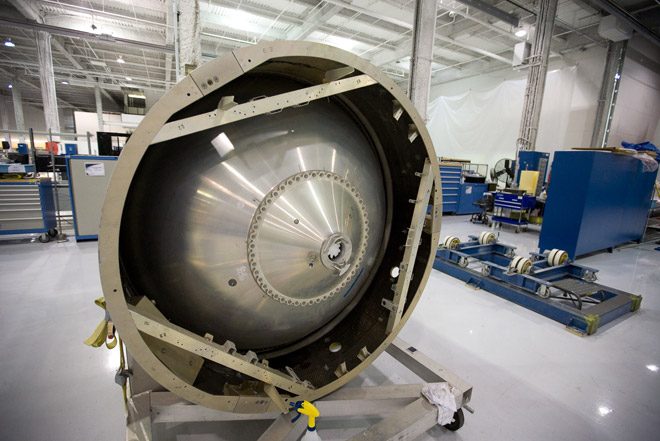
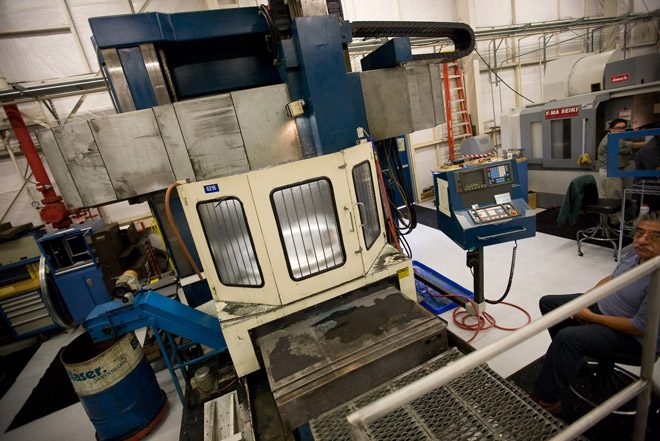
Eschewing the traditional startup trappings of two college grads eating ramen, watching Adult Swim and coding until the wee hours of the night, SpaceX instead employs hundreds of brainiacs and builds its rockets in a massive hangar that once housed a 747 fuselage factory.
Started in 2002 by PayPal founder Elon Musk, SpaceX (short for Space Exploration Technologies Corporation) brings a startup mentality to launching rockets into orbit, which until recently was almost exclusively government turf. The hope is that minimal bureaucracy, innovation and in-house manufacturing and testing can be used to put payloads into space at roughly one-tenth the cost of traditional methods.
If the company’s newest rocket, the Falcon 9, successfully completes its two scheduled launches this year, it will rendezvous with the International Space Station in 2010. After that, it will officially begin its mission as NASA’s Commercial Orbital Transportation Services platform, replacing the space shuttle as the method for transporting cargo and crew to the ISS.
SpaceX launched its first rocket, the Falcon 1, last September, placing a dummy payload into orbit. Space enthusiasts are holding their breath to see how Falcon 9 performs.
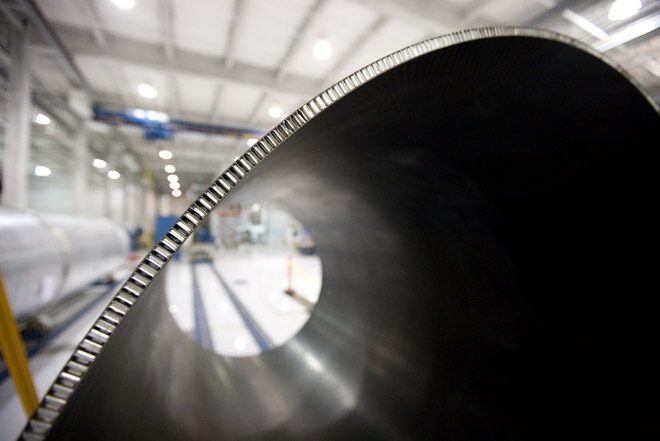
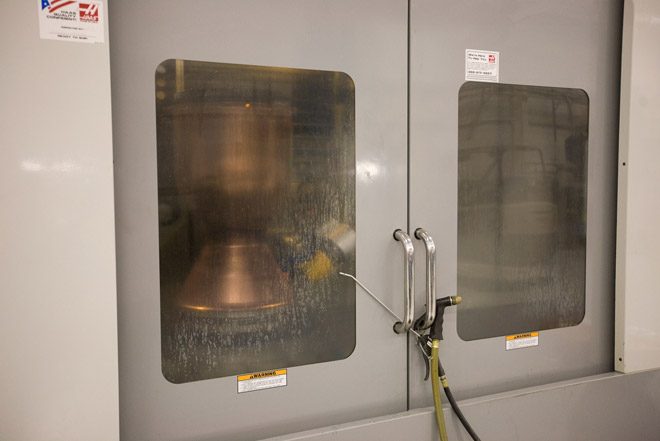
Here’s a behind-the-scenes look at SpaceX’s facility. This is how the private sector builds a rocket capable of space travel.